
Comparing Fixed-Rate and Adjustable-Rate Mortgages: Which Is Right for You?


Understanding Fixed-Rate Mortgages
A fixed-rate mortgage is a home loan with an interest rate that remains constant throughout the term of the loan. This means that your monthly payments will stay the same, making it easier to budget and plan for the future. Fixed-rate mortgages are typically offered in 15, 20, or 30-year terms, with 30-year being the most common.
One of the primary benefits of a fixed-rate mortgage is the stability it provides. You won't have to worry about fluctuating interest rates affecting your monthly payments, which can be especially advantageous in a rising rate environment. This predictability can offer peace of mind to homeowners who prefer consistency.
However, fixed-rate mortgages often come with higher initial interest rates compared to adjustable-rate mortgages (ARMs). It's essential to consider how long you plan to stay in your home when deciding if a fixed-rate mortgage is right for you.
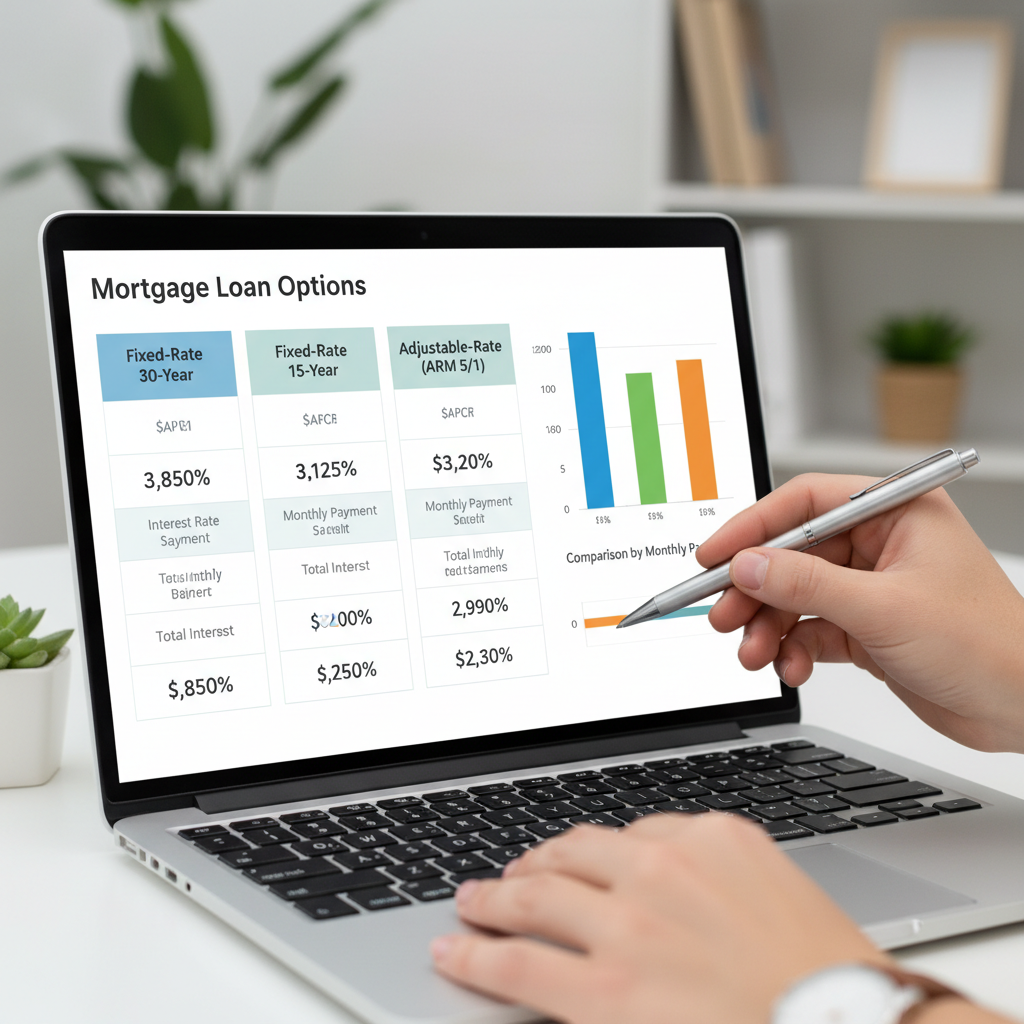
Exploring Adjustable-Rate Mortgages
An adjustable-rate mortgage (ARM) offers an interest rate that may change periodically, usually in relation to an index. ARMs typically start with a lower initial interest rate compared to fixed-rate mortgages, which can result in lower initial monthly payments.
ARMs are often structured with an initial fixed-rate period, such as 3, 5, or 7 years, after which the rate adjusts at predetermined intervals. This initial period can be appealing to homebuyers who plan to move or refinance before the rate adjusts.
However, it's important to be prepared for potential rate increases. If interest rates rise, so will your monthly payments, which can lead to financial strain if not anticipated properly.
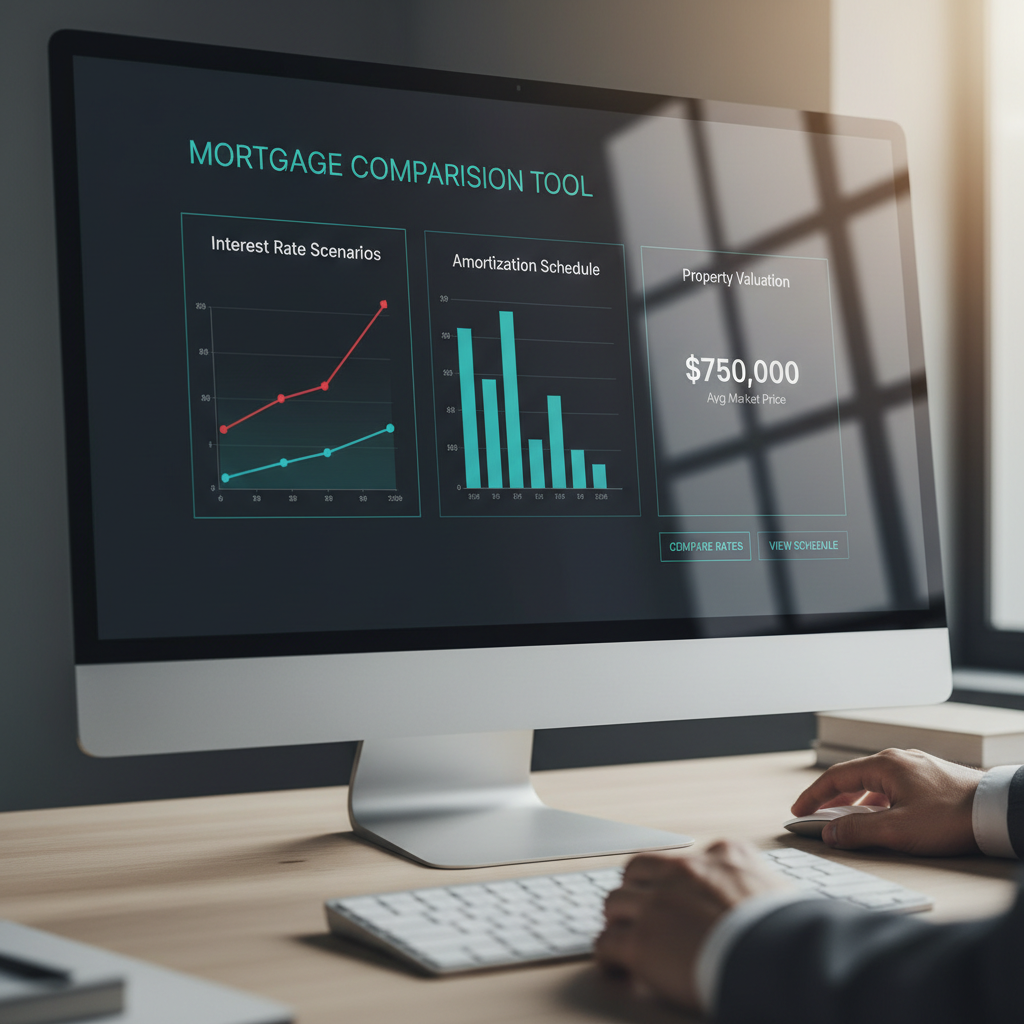
Key Considerations When Choosing a Mortgage
When deciding between a fixed-rate and an adjustable-rate mortgage, consider the following factors:
- Duration of Stay: If you plan to stay in your home for a long time, a fixed-rate mortgage may be more beneficial. If you plan to sell or refinance within a few years, an ARM might offer savings.
- Risk Tolerance: Evaluate your comfort level with potential payment fluctuations. If you prefer stability, a fixed-rate mortgage might be best.
- Current Interest Rates: Compare the current fixed and adjustable rates to determine which offers the best initial terms.
Your financial situation and long-term goals play a crucial role in this decision-making process. Consulting with a financial advisor can provide tailored advice based on your individual needs.
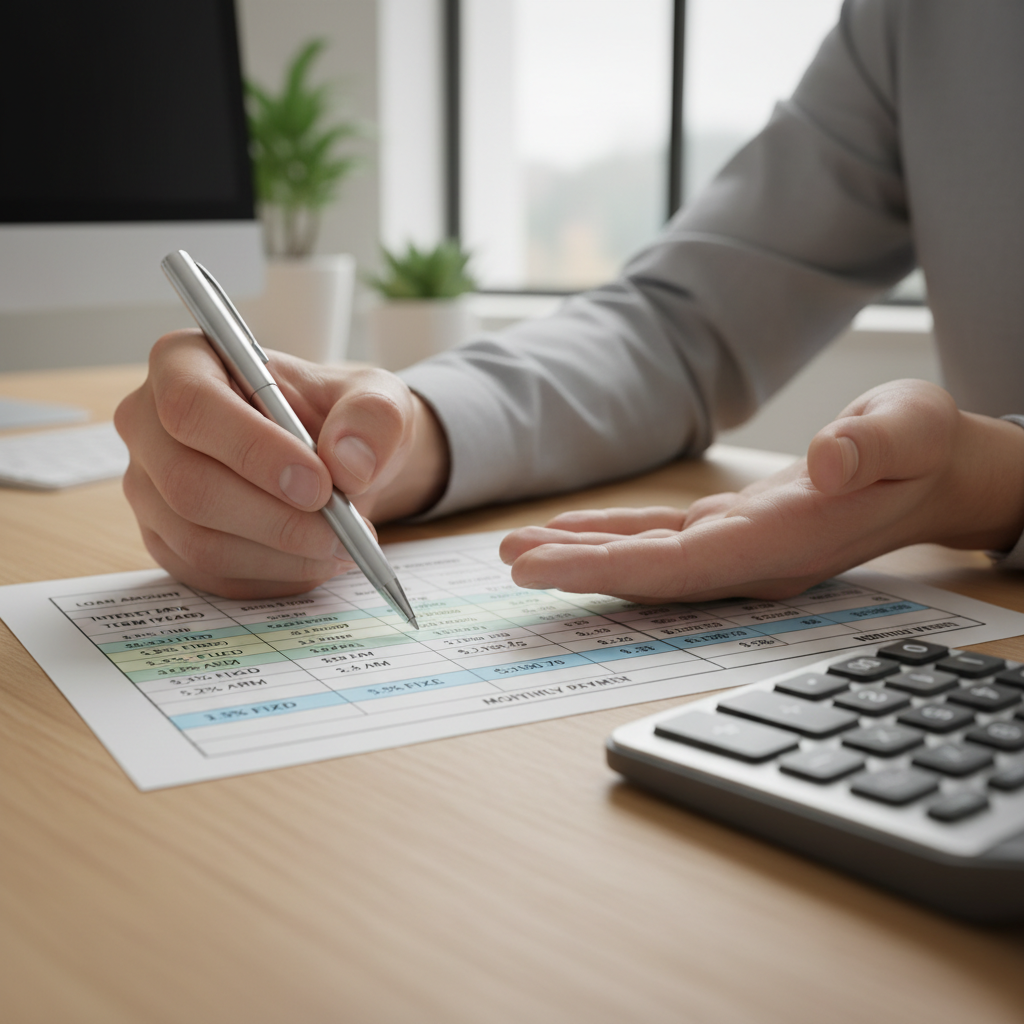
Pros and Cons at a Glance
To summarize, here are the primary advantages and disadvantages of each mortgage type:
Fixed-Rate Mortgage Pros
- Stable monthly payments
- Protection against rising interest rates
Fixed-Rate Mortgage Cons
- Higher initial interest rates
- Less flexibility in a declining rate environment
Adjustable-Rate Mortgage Pros
- Lower initial interest rates
- Potential savings if rates remain low
Adjustable-Rate Mortgage Cons
- Uncertainty of future payments
- Possible financial strain if rates increase
Making the Right Choice for You
Ultimately, the decision between a fixed-rate and adjustable-rate mortgage depends on your personal circumstances and financial goals. Assess your long-term plans, risk tolerance, and the current economic environment to make an informed choice.
By understanding the nuances of each option, you can select the mortgage that aligns best with your lifestyle and financial situation, ensuring a sound investment in your future home.
