
Comparing Fixed-Rate and Adjustable-Rate Mortgages


Understanding Fixed-Rate Mortgages
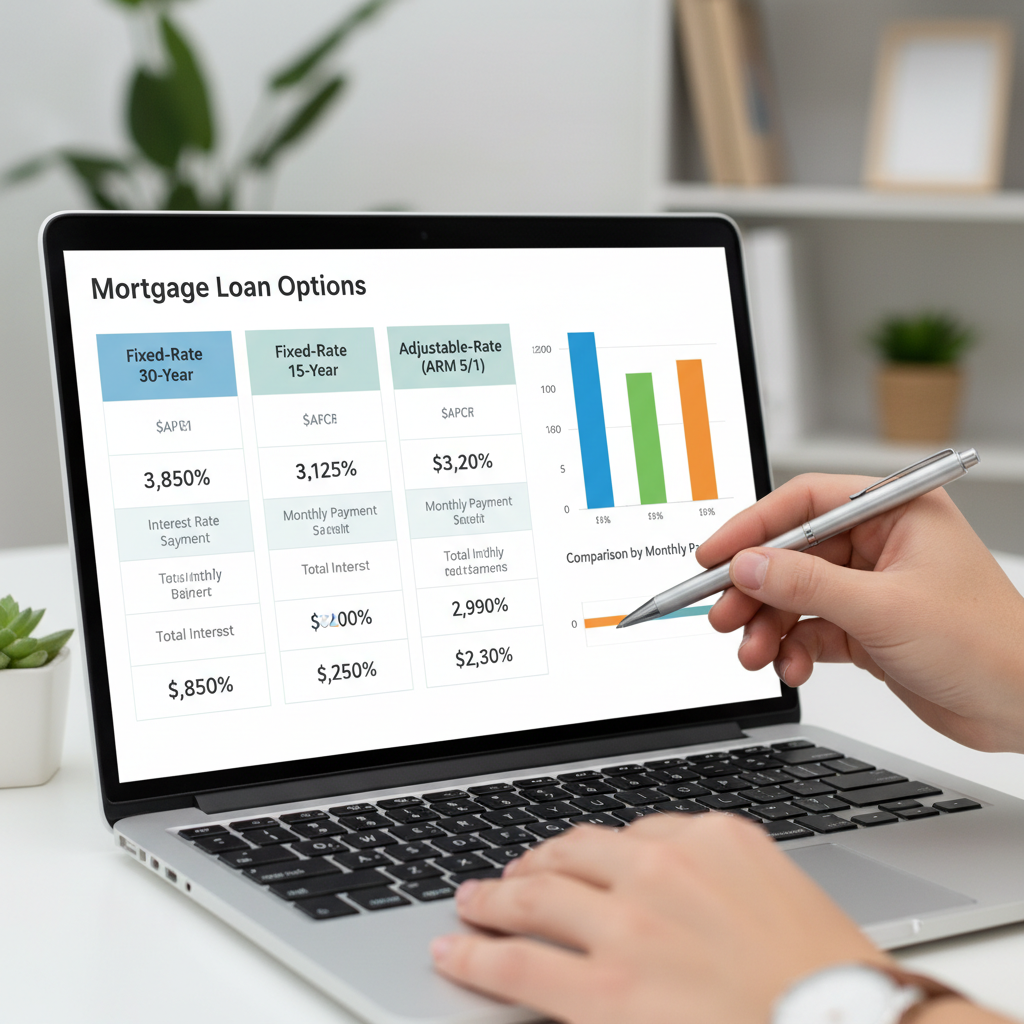
When considering a mortgage, a fixed-rate option can provide stability and predictability. A fixed-rate mortgage locks in the interest rate for the entire term of the loan, typically ranging from 15 to 30 years. This means your monthly payments remain constant, regardless of market fluctuations. This predictability makes it easier for homeowners to budget and plan their finances over the long term.
Fixed-rate mortgages are particularly advantageous during times of low-interest rates. By securing a low rate, homeowners can save significantly over the life of the loan. However, it's important to note that if interest rates drop further, fixed-rate borrowers won't benefit from the reduced rates unless they refinance.
Exploring Adjustable-Rate Mortgages
An adjustable-rate mortgage (ARM) offers a different approach. With an ARM, the interest rate is typically fixed for an initial period, such as 5, 7, or 10 years, and then adjusts periodically based on market conditions. This means that after the initial period, your monthly payments could increase or decrease.
The main advantage of an ARM is that it often starts with a lower interest rate compared to fixed-rate mortgages. This can make monthly payments more affordable initially, which can be appealing for those who expect their income to increase or plan to move or refinance before the rate adjusts.
Key Differences Between Fixed and Adjustable-Rate Mortgages
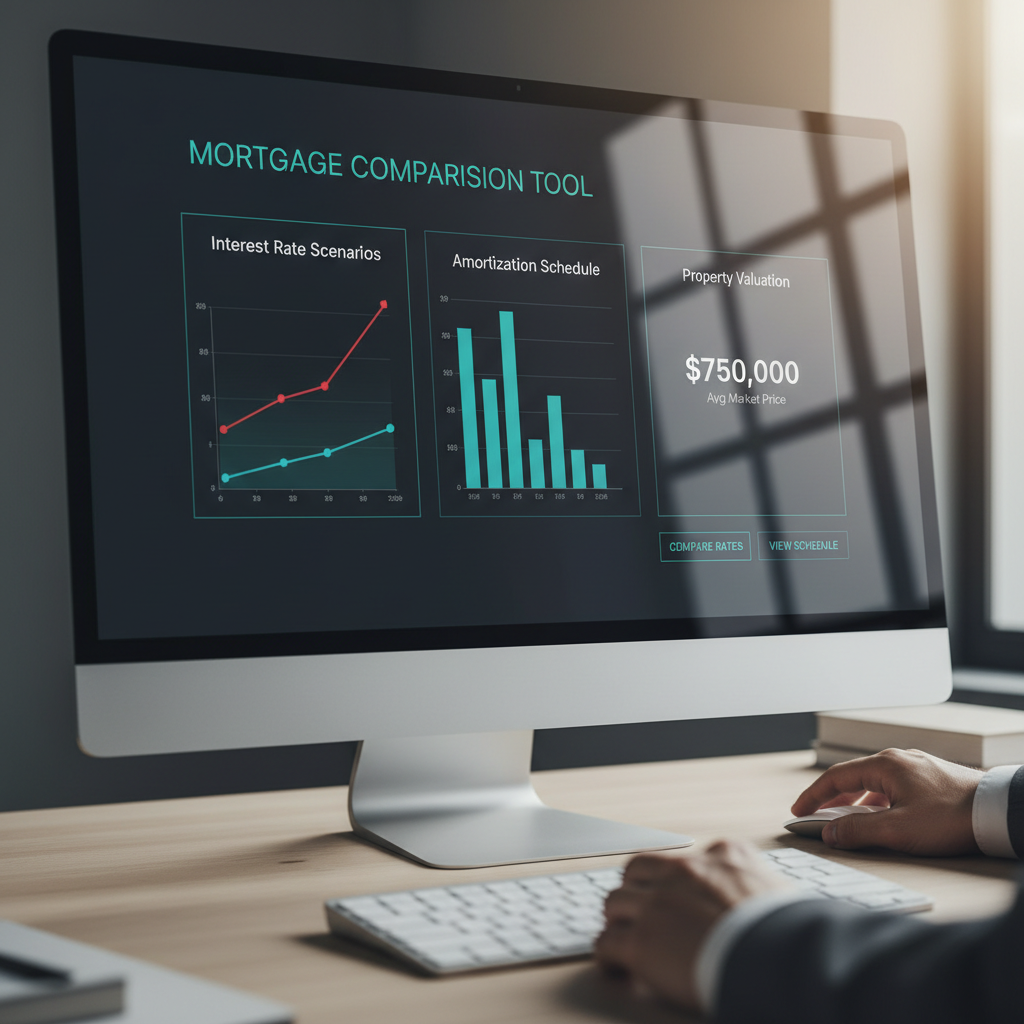
When choosing between these two types of mortgages, it's crucial to weigh the pros and cons based on your financial situation and future plans. Here are some key differences:
- Stability vs. Flexibility: Fixed-rate mortgages offer stability with unchanging payments, while ARMs provide initial flexibility with potentially lower payments.
- Interest Rate Risk: Fixed rates shield you from market fluctuations, whereas ARMs may expose you to rising rates after the initial period.
- Long-Term vs. Short-Term Savings: Fixed-rate mortgages can be beneficial for long-term savings, while ARMs might offer short-term savings opportunities.
Who Should Consider a Fixed-Rate Mortgage?
If you value stability and plan to stay in your home for a long time, a fixed-rate mortgage might be the right choice. This option is also ideal for those who prefer predictable monthly payments and want to avoid the uncertainty of changing interest rates. It's especially beneficial if you're purchasing a home when interest rates are low, allowing you to lock in favorable terms.

Who Might Benefit from an Adjustable-Rate Mortgage?
On the other hand, if you're planning to sell or refinance your home before the adjustable period begins, an ARM might be more suitable. This option can also be advantageous if you anticipate a significant increase in your income, allowing you to manage potential payment increases more comfortably.
Additionally, if you believe interest rates are likely to decrease or remain stable, an ARM could offer you initial savings that make homeownership more accessible.
Final Considerations
Before making a decision, it's essential to assess your financial goals, risk tolerance, and housing plans. Consulting with a financial advisor or mortgage professional can provide personalized insights based on your unique situation. Remember, both fixed and adjustable-rate mortgages have their merits, and the best choice depends on your individual needs and future expectations.

Ultimately, understanding the differences between fixed-rate and adjustable-rate mortgages empowers you to make an informed decision that aligns with your financial aspirations and lifestyle. By carefully evaluating each option, you can secure a mortgage that supports your long-term homeownership goals.